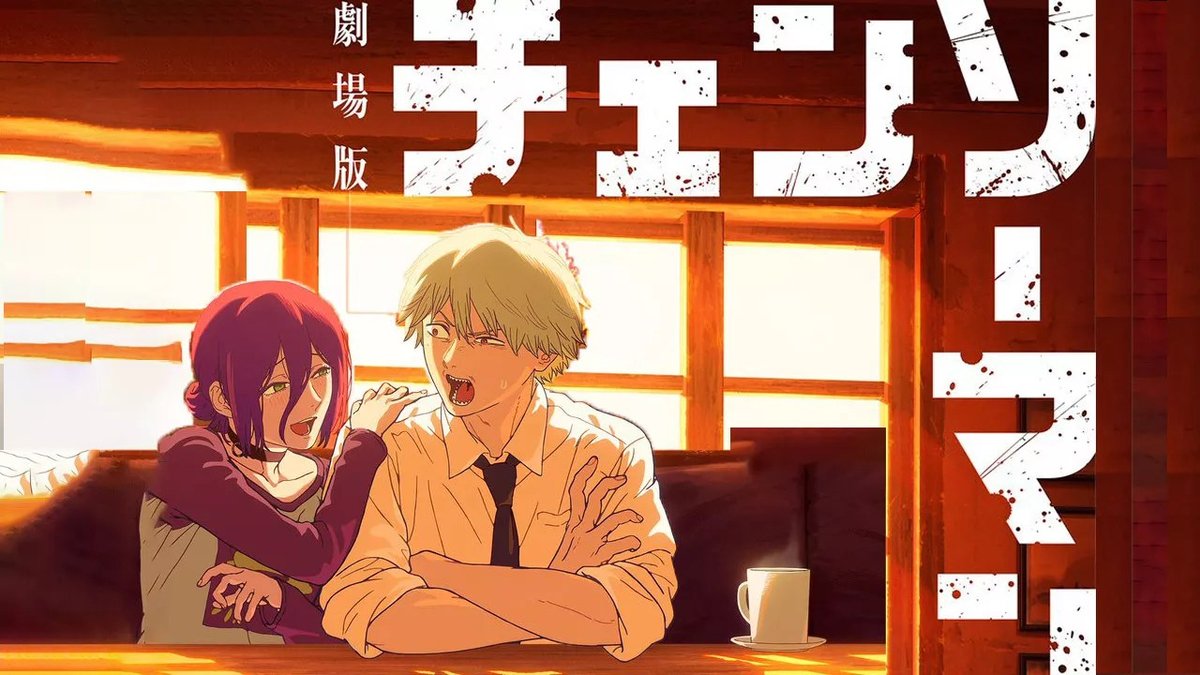
When we talk about effective storytelling in serialized narratives, especially in the vibrant world of Japanese animation and blockbuster films, the concept of a well-executed "arc" is paramount. A truly impactful arc delivers a self-contained journey of growth, conflict, and resolution for its characters and plot. This is where Anime & Movie Arc Reviews become essential, dissecting how these cinematic ventures elevate—or sometimes stumble in—their source material. Rarely, however, does an adaptation arrive with the kind of unanimous critical acclaim and fan excitement that Chainsaw Man – The Movie: Reze Arc has garnered, setting a new gold standard for what an anime arc film can be.
This isn't just another spin-off or a compilation of episodes stitched together; it’s a masterclass in adapting a beloved manga storyline to the big screen, proving that when done right, a focused arc can create an unforgettable theatrical experience.
At a Glance: The Reze Arc Movie's Impact
- A Theatrical Debut Like No Other: MAPPA's first worldwide film for Chainsaw Man, premiering years after its successful TV anime.
- Narrative Perfection: Adapts Tatsuki Fujimoto's "Reze Arc" into a complete, self-contained five-act story, feeling like a true film, not just TV episodes.
- Denji's Heart on Display: Deep dives into Denji's character development, exploring his social awkwardness and nascent understanding of love.
- The Denji-Reze Dynamic: Builds a compelling slow-burn romance that expertly shifts into high-octane action and horror.
- Visual Spectacle: MAPPA's animation shines, particularly in character expressions and frantic, high-energy action sequences, offering a fresh take on the series' fight choreography.
- Sonic Brilliance: Kensuke Ushio's returning score is lauded as one of the year's best, perfectly capturing the film's shifting tones.
- Universal Acclaim: Positioned as a strong contender for "anime of the year" 2025 and hailed as the "best shonen series movie in years."
Why Arc Adaptations Matter: The Promise and The Peril
Translating a serialized manga or anime arc into a standalone movie is a delicate tightrope walk. The promise is immense: condense a beloved storyline, elevate its animation, and deliver a cinematic punch that TV simply can't. The peril, however, is equally great.
Many anime arc films fall into familiar traps. They might feel like extended, glorified recap episodes, lacking a clear cinematic identity. Pacing can be an issue, either rushing through crucial character moments or stretching out action sequences beyond their narrative weight. We’ve seen examples where films try to cram too much story, resulting in a disjointed experience that alienates newcomers and dissatisfies even loyal fans. Consider some prior arc films that struggled to maintain a cohesive narrative, often feeling like a compilation rather than a singular vision—a common criticism that Chainsaw Man: Reze Arc consciously avoids.
The challenge lies in respecting the source material while also crafting a standalone piece that functions as a movie first. This means understanding that film narrative has different demands than television. It requires a distinct beginning, middle, and end, a focused character journey, and an emotional arc that resonates within a tighter timeframe.
The Reze Arc Blueprint: A Masterclass in Adaptation
Chainsaw Man – The Movie: Reze Arc isn't just a good anime movie; it's a blueprint for how to do these adaptations right. It takes a significant storyline from Tatsuki Fujimoto's manga and transforms it into a polished, theatrical experience.
Narrative Integrity: A Self-Contained Story
One of the movie's most significant achievements is its structural integrity. Clocking in at around 90-100 minutes, it doesn't feel like a collection of TV episodes cobbled together, a pitfall that even popular series like Demon Slayer have faced with their arc films (e.g., Infinity Castle sometimes felt like an extended episode rather than a film). Instead, Reze Arc is praised for its complete five-act structure, delivering a satisfying, self-contained narrative.
This approach means that while existing fans will deeply appreciate the fidelity to the source, newcomers can still follow the core emotional journey of Denji and Reze without needing an exhaustive primer on the entire Chainsaw Man universe. The story is accessible because its focus is so clear: the blossoming, dangerous relationship between two individuals.
Character at the Core: Denji's Evolution
At the heart of the "Reze Arc" is Denji, the series' protagonist, and his profound character development. The film dedicates substantial time to exploring his social awkwardness, his lack of genuine human connection, and his struggle to differentiate between simple sexual attraction and the complexities of true love. This isn't just about explosions and devil hunting; it’s about a deeply flawed, relatable teenager trying to navigate emotions he barely understands.
The movie shines a spotlight on Denji's yearning for connection, showing how Reze challenges his simplistic worldview and forces him to confront his inner self. This focus makes the subsequent action sequences hit harder because you're invested in Denji's personal stakes, not just the spectacle.
Crafting Chemistry: Denji and Reze's Slow Burn
The relationship between Denji and Reze is the narrative engine of the film, and it's expertly crafted. The first half is dedicated to a slow-burn romance, allowing their dynamic to develop organically. We see Denji's initial infatuation, Reze's mysterious charm, and the subtle ways they connect. This gradual build-up is crucial; it invests the audience in their interactions before the inevitable chaos erupts.
When the film transitions into its action and horror elements, the emotional weight of their bond underscores every punch, every chase, and every devastating revelation. It’s a masterful demonstration of how to blend character-driven storytelling with intense genre elements, ensuring that the thrills are always anchored in genuine emotion.
MAPPA's Visual Symphony: Animation & Action Reimagined
MAPPA, the studio behind the Chainsaw Man anime, is renowned for its high-quality animation, and the Reze Arc movie takes it to another level. The film is a visual feast, meticulously detailed and dynamically animated.
Detailed Expressions and Visual Richness
One of the most highlighted aspects is the attention to detail in character expressions. Subtle shifts in Denji's face, the enigmatic smiles of Reze, and the visceral reactions of other characters convey a wealth of emotion, adding depth to every interaction. This level of visual nuance enriches the slow-burn romance, making their connection feel tangible and authentic. The environments are also rendered with incredible care, building a world that feels both fantastical and grounded.
The "Frantic & Chaotic" Action Style
The action sequences in Reze Arc are described as frantic, chaotic, and high-energy—a "breath of fresh air" for fans. This is particularly significant given that the fight visuals in the first season of the TV anime had a somewhat divisive reception, with some fans feeling they lacked the raw impact of the manga. The movie seems to have addressed this feedback head-on, delivering fights that are not just visually impressive but also viscerally impactful.
While some critics note that the action can be "over-stimulating" or feel "safe" when compared to the highly experimental approach of Chainsaw Man Season 1 (drawing comparisons to Jujutsu Kaisen Season 2's more polished but less unique combat), the consensus is overwhelmingly positive. It provides a more consistent, exhilarating action experience that aligns with the series' destructive energy.
The Unsung Hero: Kensuke Ushio's Sonic Landscape
A film's score is often its emotional backbone, and Kensuke Ushio's return as composer for Chainsaw Man – The Movie: Reze Arc is celebrated as one of the year's best. His music is pivotal in setting the film's tone, masterfully shifting with the narrative.
Ushio’s score transitions seamlessly from whimsical, emotional tunes during the romantic segments to synth-heavy, intense tracks that drive the horror and action sequences. There's a particular praise for Reze's piano-heavy theme, which perfectly encapsulates her mysterious yet alluring presence. The music isn't just background noise; it's an active participant in the storytelling, enhancing every emotional beat and escalating every moment of tension or terror. It helps glue the disparate parts of the movie together, providing a cohesive auditory experience that guides the viewer through Denji's tumultuous journey.
Beyond the Hype: What Makes a Truly Great Arc Film Review?
When crafting Anime & Movie Arc Reviews, whether for a groundbreaking film like Reze Arc or any other adaptation, a comprehensive approach goes beyond mere plot summaries. It’s about evaluating the film as a complete artistic work. Here are the critical elements to consider:
- Pacing & Flow: Does the film feel like a cinematic experience, or a collection of TV episodes? A great arc movie has a natural narrative rhythm that builds tension, allows for quiet moments, and delivers explosive climaxes without feeling rushed or drawn out. It should feel like a story designed for the big screen.
- Character Arcs: Does the main character (or characters) undergo significant development within the film's runtime? Are their motivations clear? Does their journey feel earned? For Reze Arc, Denji's personal growth is central, and its effective portrayal is a key reason for its success.
- Animation & Direction: How does the visual execution serve the story? Does the animation style enhance the emotional beats and action sequences? Does the director's vision feel cohesive and impactful? This includes everything from subtle character acting to large-scale battles.
- Soundtrack & Score: Does the music elevate the experience? Does it set the appropriate tone for different scenes? A memorable score, like Ushio's for Reze Arc, can distinguish an average film from an exceptional one.
- Accessibility: How well does the film cater to both existing fans and newcomers? While a direct adaptation might assume prior knowledge, the best arc films, like Reze Arc, can be enjoyed by someone unfamiliar with the broader series, focusing on a self-contained narrative.
- Fidelity vs. Innovation: How well does the film adapt the source material? Does it faithfully capture its essence while also bringing something new to the table? Sometimes, smart deviations or enhancements can improve upon the original, provided they respect the core themes and characters.
Common Misconceptions About Anime Arc Films
You’ll encounter various opinions and questions when discussing anime arc films. Here are some common misconceptions addressed directly:
- "Are they just recap movies?"
Not necessarily. While some anime films are indeed compilations of TV episodes with minor new scenes, true "arc films" like Reze Arc are intended as direct adaptations of specific manga arcs, created from the ground up as a theatrical experience. They often feature higher production values, dedicated direction, and a cinematic approach to storytelling that sets them apart from simple recaps. - "Do I need to read the manga or watch the TV series first?"
Ideally, yes, for the fullest appreciation. However, a well-executed arc film will focus its narrative enough that newcomers can still enjoy the story on its own merits, even if they miss some background context. Chainsaw Man: Reze Arc is praised for achieving this balance, providing a compelling standalone story without fully explaining the series' broader premise. - "Can a movie really capture a full arc?"
Absolutely. In fact, for certain arcs, the focused nature and higher budget of a film can allow for a more cohesive and impactful adaptation than stretching it across several TV episodes. The key is to select an arc that naturally lends itself to a cinematic structure, with a clear beginning, middle, and end, much like a good short story.
Your Turn: How to Approach Your Own Anime & Movie Arc Reviews
The success of Chainsaw Man – The Movie: Reze Arc provides a fantastic lens through which to consider how you approach your own Anime & Movie Arc Reviews. Instead of merely summarizing, aim to analyze, critique, and provide genuine insight.
- Be Specific: Don't just say "the animation was good." Explain why. Was it the fluid character movement? The innovative camera work? The detailed environments? Provide concrete examples.
- Back Up Opinions: If you believe a pacing decision was flawed, explain how it impacted the narrative. If a character's development felt rushed, point to specific scenes where it could have been handled differently.
- Consider the Director's Intent: Try to understand what the creators were trying to achieve. Were they aiming for a faithful adaptation, or a more interpretive take? How does that intent manifest in the final product?
- Think About the Film as a Complete Work: Even if it's based on an ongoing series, evaluate it as a self-contained entity. Does it tell a satisfying story within its runtime? Does it resolve its central conflicts?
- Look for Deeper Themes: Beyond the surface-level action, what underlying messages or themes is the arc exploring? Reze Arc isn't just about fights; it's about Denji's struggle with identity and love, much like we delve into the evolving narratives when we explore new Pokémon generations and their underlying themes.
- Consider Broader Impact: How does this arc film contribute to the franchise as a whole? Does it raise the bar for future adaptations, or highlight areas for improvement?
The Future of Arc Films: Raising the Bar
Chainsaw Man – The Movie: Reze Arc isn't just a win for the Chainsaw Man fandom; it's a triumph for anime arc adaptations as a whole. Its critical reception and audience anticipation suggest a changing landscape where these films are no longer seen as mere supplements but as standalone cinematic achievements.
As audiences crave deeper, more polished narrative experiences, the bar for Anime & Movie Arc Reviews will continue to rise. Films like Reze Arc demonstrate that when studios commit to a focused vision, prioritize character development, and leverage top-tier animation and scoring, they can deliver experiences that not only honor the source material but also transcend it, leaving an indelible mark on cinematic history. The future of anime arc films looks brighter than ever, promising more unforgettable theatrical debuts that truly stand on their own.